If you own any technology – a phone, laptop, Apple Watch, desktop, etc… you will know the daily bombardment of notifications all too well. These notifications are even more extreme for small business owners who often feel they need to be “on” all day and hyper-responsive to customer communications.
We are always in the thick of it – ready to respond at an instant to secure the next job. You can’t be slow, or can you?
In this month’s blog, I am looking at how to stop notifications, calls and emails from ruining your mental health. These are some tips and tricks I’ve picked up over the years since becoming full-time self employed in 2015.
Ignoring the false sense of urgency
Small business owners are always pushing for the next sale. For many of us, there is a false sense of urgency to reply to new leads as fast as possible. Remember – 24 hours is a perfectly reasonable response time. I talk to a lot of business owners, some of them apologise for taking half a day to reply. What the actual F??
I call it a false sense of urgency, because thats exactly what it is – false.
We convince ourselves that speed will win brownie points, or that customers will “see how much you care” but the truth is… good customers also respect boundaries such as weekends and office hours and will never abuse them.
Only entitled, unreasonable people will disrespect your boundaries and expect you to bender backwards for them. They think their needs are more important than yours – that’s dangerous for future business. I’ve fired clients for a lot less.
But Catherine, I’m worried if I don’t reply quickly the customer will pick someone else
The fact that a warm lead has chosen you a conversation in the first place, signifies that they will wait. You have been (for the time being) shortlisted. That is a good sign.
As a customer, a quick response is nice, I’ll give you that. But this is about protecting your mental health from your phone…. you have to find a balance …otherwise, why else are you reading this?
Stop responding to notifications on your day off
Setting boundaries with people is hard, and running a business makes you realise just how hard and fast those boundaries have to be.
If you’re going to set the boundary of only responding during office hours, you have to do exactly that. No exceptions.
But ignoring notifications is impossible if they ate still going off in your ear all day.
To make blocking notifications really work, we have to stop replying to people, answering the phone or even reading messages until we’re back in work mode.
This is usually the hardest part for business owners, especially for anyone who has built up an ingrained habit of answering calls and emails 24/7. However, that doesn’t make it impossible. You will find it gets easier with time and practice.
Turn off all notifications
Your phone buzzing and beeping all day does nasty stuff to your brain.
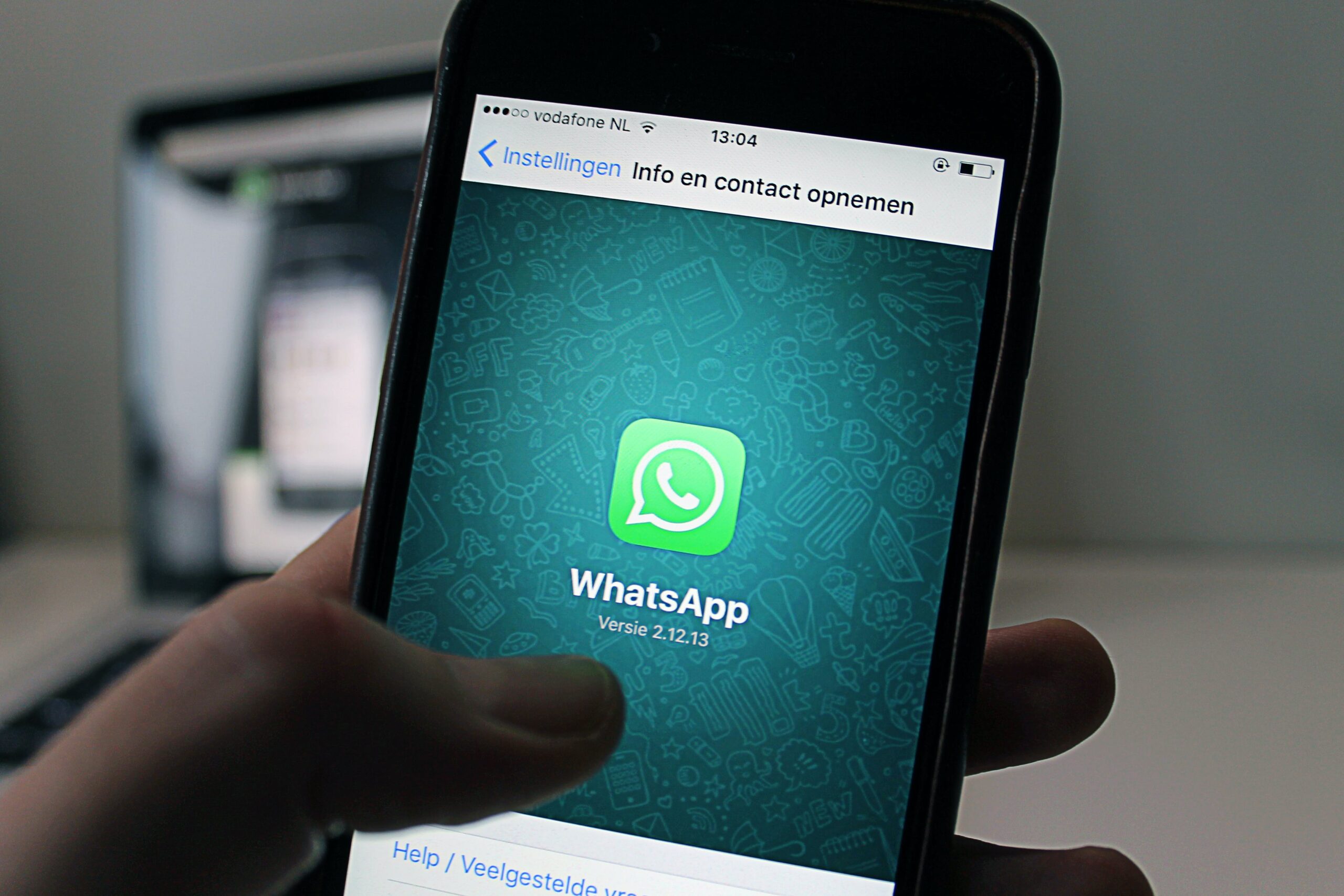
Turning off all notifications. The way I do this, is by muting all conversations on WhatsApp, and silencing all notifications social media. I keep a few very close family members “on” 1. because I love them and 2. in case of emergency.
Everything else can go off, your brain will thank you later.
- Put your phone on silent
- Turn off all social media notifications, including the FB messenger app
- Turn off email notifications and make sure you have a separate personal vs work email address
- Mute customers on WhatsApp (Download WhatsApp for business to give a clearer identity to your business, provide office hours and archive customer conversations when you’re on holiday).
Owning two phones
I tried owning a “personal” and “work” phone for a while circa 2019 snd it only made me feel worse. This is what happened.
I got the second phone, and the contract (didn’t mind paying it one jot thinking it would help) and told all of my friends and family about my new number.
At weekends I switched off my work phone. For the first few weekends I got a lot of peace and felt much more relaxed. However, a pattern emerged…. one of unbearable Sunday night blues, and Monday morning freak-outs. Turning that phone on of a Monday brought with it a torrent of notifications, emails and WhatsApp messages from people who couldn’t leave me alone. Oftentimes people who were bringing one problem or another to my door.
It felt like the stress had just morphed into a new shape. This was partly because the industry I worked in at the time was so high maintenance.
Long story short, for me the second phone didn’t work, but you may find a second phone does wonders for your mental health, especially if you have built up a really reliable foundation of repeat clients.
Set an automatic email reply as and when you need one
You don’t have to be on holiday to use an out of office. They are there as and when you need to concentrate for an extended period, to take a break from social interaction. If you’re neurodivergent, this might be something you need more regularly than neurotypical people.
Set and out of office to give yourself breathing space.
Alternatively, if you are the sort of person who feels guilty as sin when customers don’t get an immediate reply, set an automatic one to lighten the load.
This is especially good if you get a lot of emails that are the same issue (“Hello, IT – have you tried turning it off and back on again?”)
A well-structured but concise auto reply will buy you time, potentially field FAQs and give you the chance to stop thinking about your flipping emails.
Example 1:
We are experiencing a high number of enquiries and will reply to you on [DATE]. Office hours are XYZ
Example 2:
There is noone in the office today [DATE]. We will respond to you first thing tomorrow.”
Don’t live chained to your desk. Running a business is meant to be fun. If you need a screen break, take one! You’re the boss! 🙂
Email footers are great
Email footers are a great place to provide a little more than just contact details and a logo. They’re also good for setting expectations.
You might have seen mine already – “My office hours are XXXX. I will respond to all calls, emails and WhatsApp messages during those hours.”
It’s just a gentle reminder that there is a time frame. This is very helpful for people who like to know exactly where they stand.
Dealing with rude or impatient customers
At some point in your business you will come into contact with people who are just plain rude, impatient or entitled. They want what they want and they will be damned if you don’t answer instantly.
This is how they behave:
After the initial enquiry and closing the sale, you find you suddenly have 4 emails arrive one after the other, then a phone call, then a voicemail, and just in case you didn’t get the message – there’s a WhatsApp message to top it off.
These people usually want to be at the front of the queue, and feel that their needs are at emergency level. If you are not an emergency service, stop acting like one.
Let them wait until you’re ready, and if they cant respect that, they can find another supplier.
Voicemails
People like to talk to a real person the phone, its often a lot quicker than emailing and gives a flavour for who is on the other end.
We can’t always be there to answer the phone, so don’t try to be. Lots of small business owners will admit that late night calls are stressful – it stops you from switching off. If you don’t switch off and rest properly, your body will find a time to force you, and trust me when I say it’s rarely a convenient time.
Recording a voicemail
Your voicemail recording should be two things.
- It should be your voice – a bright and cheery welcome and instructions such as “leave your name and number and I’ll get back to you”.
- At the end, it should reiterate your office hours. This way everyone is on the same page.
How to record a voicemail on an iPhone.
Give yourself regular screen breaks
Engage in activities that decompress your nervous system. Go for a walk, play a musical instrument, sit on the beach, spend time with animals, sing, dance, laugh, see friends, play sports, go for a run – anything that doesn’t involve your phone.
Prioritise your life
We spend hours and hours looking at phones and planning the next best step for our businesses. Although we don’t always like to admit it, mentally switching off is a lot harder for small business owners.
The truth is, it’s becoming harder and harder to “factor in” time that is fun and “screen-less”. Prioritise you, your health and your well-being. Don’t let those nasty notifications get the better of how you spend your life.
Links:
Change iPhone notification settings
About the Author
Catherine Jarvis Clothier is a digital marketer and online presence specialist living and working in Kent, UK. She has worked in unusual UK businesses for over 10 years across the South of England, particularly in automotive and therapy-based enterprises. Catherine specialises in social media, SEO and web design. She can be contacted here for online business consultations.
If you enjoyed this blog, buy me a coffee to say thank you.