
Starting a business has a lot of costs and diversions that take your time away from earning. Two such diversions are websites and social media. They sap a bit of time at the start while the business gets going.
Here’s a breakdown of how to start your business’ online presence on a shoe-string. I’ll explain if you really need a website or if you can rely on social media alone.
What is a website for?
Websites do a lot for a business, they’re not just an “online business card” – when made properly they draw in attention and convert people to buy.
This means websites do more than just sit there as a call to action for your social media followers. They give customers transparency, and a good first impression as well as a place to purchase, or contact you.
They also encourage traffic outside of social media…
Websites drive traffic
Organic SEO (search engine optimisation) integrations in your website should, in theory, deliver people who are using search engines and AI to find businesses like yours. It’s your website’s aim to always be there with relevant to customer searches. This is one way to drive traffic to your business.
Most website builders and CMS (content management system) platforms like WordPress or Wix can take appointments, online payments and sell stock if you have an e-commerce store. This lets a lot of companies and sole traders make passive income or take payments when they’re off the clock.
Professionally built websites also dot the i’s and cross the t’s by giving public and/or legal requirements like privacy, returns, delivery policies to keep you and your customers safe.
But wait – there’s more.
Websites give your business credibility
A website provides a certain level of credibility that social media can’t. If your business has its own website with a custom domain name, it shows you are serious enough about your work to go public with a website. A social media profile or two on their own can be pretty good, but businesses with a showy website in tow are considered much more “professional”.
The question is, could a website take you to the next level? are you keen to leap-frog from ‘hobby’ to a full-time business? For a lot of sole traders, this is the goal and a really scary jump. It requires some form of investment snd risk to get there. Websites are often the first place to start.
Businesses using social media without a website
Here’s the flip-side of the argument. Social media without a website can get you pretty far. I have known local, service-based companies like dog walkers and bakeries work very well without a website. They have built up a strong foundation via word of mouth and referral programmes.
Some also lucked out. They went viral or semi-viral on the right social media platforms.
But they have to achieve a high number of views from the right demographic to get the foot traffic.
The question is, could they have made their lives easier by investing in a website? I think they probably could have.
How much will I have to post on social media if I don’t want a website?
Without a website on your side, your business will have to work harder to gain traction. The social media strategy you choose to employ will need to be bullet proof and hit the ground running. When I say ‘hit the ground running’ I mean by posting valuable content 20-50 times a week.
Social media has to make up for the traffic lost through search engines and AI, and also stand out against the competition in a way that makes them feel totally comfortable that you don’t have a website.
As a web designer and content creator, it pains me to see businesses desperately trying to drum up business. Especially when a website could have given them the keys to get where they wanted to go faster.
How to post on social media so you don’t have to use a website
- Know your market. This will involve customer profiling to the Nth degree. Age, postcode and gender are the tip pf the iceberg. You need to profile them like your life depends on it. Learn the details, like what kind of dog they have, personality, favourite food and brand of socks. Get into their heads and spot the patterns of behaviour that emerge.
- Where do these people spend their time hanging out online? Those are the platforms to start with.
- Less is more. 50 consistent and interesting posts on the right social media platform are far better than 3 or 4 spread across 10 platforms.
- Don’t get sucked into paying for ads. You MUST figure out what your followers find interesting before paying for promotion. Otherwise it’s just money down the drain.
- Aim to try out every single free feature on each social media platform. Stories, stickers, cut-outs, posts, reels, groups, hashtags. Do it all.
- Join groups and societies of like-minded people.
- Don’t give up.
- If you feel like giving up, it’s time to call a social media manager to help you.
What if I want to build my own website?
The good news is, you can! And I highly recommend it. (But Catherine, you’re a web developer, why would you tell people to make their own websites?)
The best gift you can buy for your business is your own hosting and domain name. This means it belongs to you and noone can take it away, or make life difficult (like a web designer who has turned nasty or gone AWOL). When a web designer has control of your hosting, domain or email, they can claim ownership down the line and leave you with nothing.
In my opinion, a DIY website is better than nowt. It can always be improved down the line by inviting a web developer to hop in and make it right. If you choose to have a crack at it, there are loads of DIY website builders like Wix***.
A word of warning
Although mainstream website builders are easy to use, building a website that makes sense to a customer is much harder than it looks. There are also a lot of hidden features that are the difference between a professionally built website and do it yourself project.
What I suggest, is that you spend 12-18 months on the business with a DIY site, and if you are gaining traction – that is the right time to upgrade to a professional design and SEO integrations.
You might find yourself a bit further along the timeline, with a business thta has been going for 5 years or more. It’s absolutely fine to upgrade your website whenever you see fit. You might want a fresh lick of paint, so to speak. Others want the site to have an MOT for performance (it’s performing well, but could it be performing better?)
The benefits of re-design and SEO when the business is fully established are huge. They regularly bring a big surge of traffic and customers early doors.
Thanks for reading my blog. 🙂 Wanna join me on Facebook?
Fancy a chat about your website?
*** No, I’m not paid to promote any of these platforms. THey’re just my favourite ones to work with. 🙂
About the Author
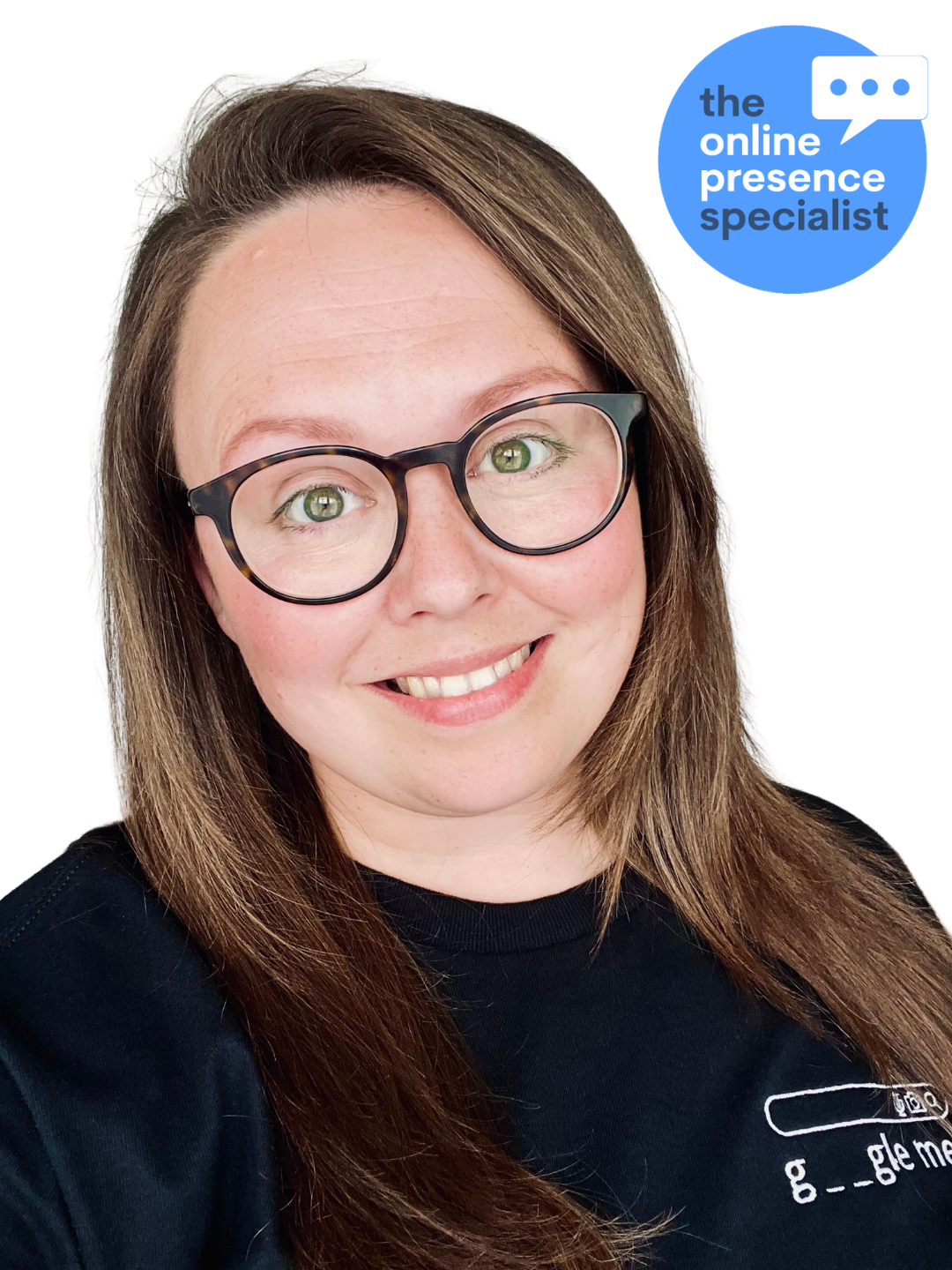
Catherine Jarvis Clothier is a digital marketer and online presence specialist living and working in Kent, UK. She has worked in unusual UK businesses for over 10 years across the South of England, particularly in automotive and therapy-based enterprises. Catherine specialises in social media, SEO and web design. She can be contacted here for online business consultations.
If you enjoyed this blog, buy me a coffee to say thank you.