
Search Engine Optimisation
What does SEO actually mean?
SEO stands for search engine optimisation.
SEO (Search Engine Optimisation) is the process of improving a website so it appears higher in search results for relevant queries. The goal is not just rankings — it’s qualified traffic, conversions, and ongoing visibility.
The way I describe it to my clients is, it’s about building a website that makes search engines happy. When search engines are happy, they rank your website higher, and show you to more people. It’s my job to make a website that gets you the most clicks possible.
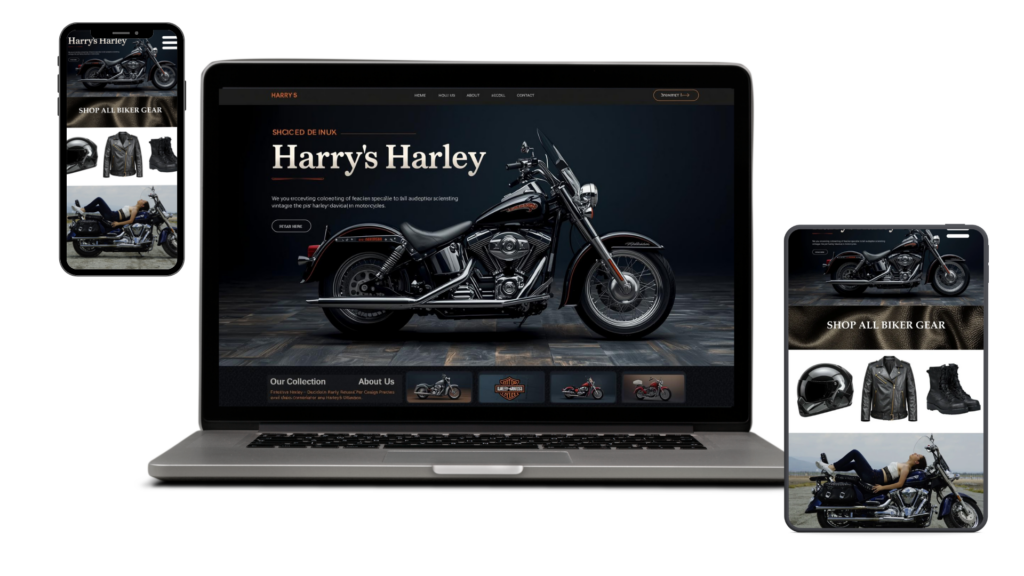
Not everyone knows how to build a website in this way (with a solid foundation of organic SEO). In fact, most of my clients already have a website floating around in the ether that is doing nothing. They need their websites to be re-designed not just to look better, but to function properly. Why? Because they’re not getting enough clicks to make sales. There is usually something in the design that is causing a problem. That is what I fix.
How do search engines work?
Search engines crawl all websites (and their content) using bots, which index content via massive databases. They then rank pages using the search engine’s algorithms that directly evaluate relevance, quality, authority, usability, and “intent match”. It’s about making sure users get the best result available to them.
Ranking is where you appear on these search results. SEO professionals are always aiming for a client’s company to be the first hit, or within the top 3-5 results at any given time (on pages, images, maps etc).
This result depends on a lot (like how stiff the competition is, your location and the difference between devices and demographics).
What’s the difference between organic SEO and paid ads?
Organic SEO earns organic traffic over time without paying for clicks. Paid ads generate immediate visibility but stop producing traffic as soon as spending stops.
Organic SEO is about good website structure in the front and backend. It’s all about building a website that can hold its own in search engines because it is built in a very specific way. Search engines want to see websites that provide value, speed, prioritise user experience, and are relevant.
It’s “organic”, because it’s not being propelled forwards by paying additional fees for things like sponsored keywords. Organic SEO is simply building a good website, maintaining it to help it rank on merit over time.
NB: there are still a lot of consumers in the UK who actively avoid “sponsored” results because they want to see who shows up based on merit.
What should I expect from local SEO being implemented in my website?
Most SEO professionals want to set you up for 12 month contracts for paid keywords and sponsored ads via Google. This kind of SEO is where the SEO professional bets money on certain keywords in the hopes that your site will shoe up first when they are searched for. For example, if you are a funeral director it could be “direct cremations in Kent” or “funeral home in Ashford”.
Your marketer will aim to evenly place money on a number of search terms related to your business that will (hopefully) show you at the top of Google. The concept is that people will click the first thing they see. This is only half true.
Is your business ready for paid keywords?
The problem with paid keywords is, it’s usually too heavy-handed for most businesses. Organic SEO tends to do the job perfectly well to boost business and improve visibility. You could argue that this format isn’t as profitable to marketers.
Secondly, I’ve sound that most customers want to see a local company show up in search engines based on merit (and not because they’re sponsored to be there). You may have found yourself thinking like this when you need to look up a restaurant, dog walker, mechanic or other local service.
As of 2026 both organic and paid SEO require monthly maintenance to perform. Organic SEO is more affordable and encourages genuine content creation to ensure your site stays user-friendly.
Why does SEO matter for small businesses?
SEO captures demand from people already searching for solutions. High rankings create trust, reduce customer acquisition costs, and compound over time.
Not all web designers are well-versed in organic SEO. Bargain basement priced sites are produced by cutting corners by employing artificial intelligence to build a website for them. It’s quick, which is why the site will be cheap. Unfortunately it doesn’t equate to a high performing site. It acts more like a digital business card.
This usually makes for a pretty website, but one that spouts a load of AI robot waffle and corporate buzzwords that don’t really mean anything. Search engines do not like robot waffle because it shows that the content was not made by a human, and therefore is not valuable or accurate. As a consequence, they stop those sites from being seen by anyone.
The majority of my clients already have a website, and want to improve it rather than start all over again. I specialise in mostly Wix and WordPress websites. If you have something else, please feel welcome to ask as my skills are largely transferable.
How long does it take for SEO to work?
Typically 3–6 months for noticeable movement in impressions and clicks. It usually takes 6–12 months for a significant increase (increase of 200-1000% clicks) depending on local competition, their authority, and your resources.
In my experience, one thing stops SEO working altogether, and that is a poor reputation. The good news is, if you have a sterling reputation you’ll likely see your website do extremely well in a shorter space of time.
How does SEO interact with AI?
Yes. Search “intent” still exists. AI changes discovery patterns, but authoritative content, technical clarity, and brand trust remain critical. AI selects results that are human-made and human-centred. It will not value AI generated content because it wants authoritative, genuine and accurate information.
Does SEO need maintaining?
Yes. Search engines have moved the goalposts in recent years. Previously, one could get away with minimal updates – months or sometimes years apart. These days websites rely on monthly maintenance and support, like upgrading speed, additional blogs and a fully optimised Google My Business profile.
Organic SEO is very much a quality over quantity situation. It’s well worth doing if you plan to have a website for more than 5 years.
Give me a call or send an email, I would love to talk websites with you.
Can you guarantee my website will rank in first place?
No, no-one can promise you will rank first on Google at all times, forever. What will help your website rank well and gain as many clicks as possible, is things like relevance to the user, search intent alignment, content quality, backlinks, user experience, internal linking, technical health, and topical authority. There’s more I could tell you, but let’s leave it there for now.
About the Author
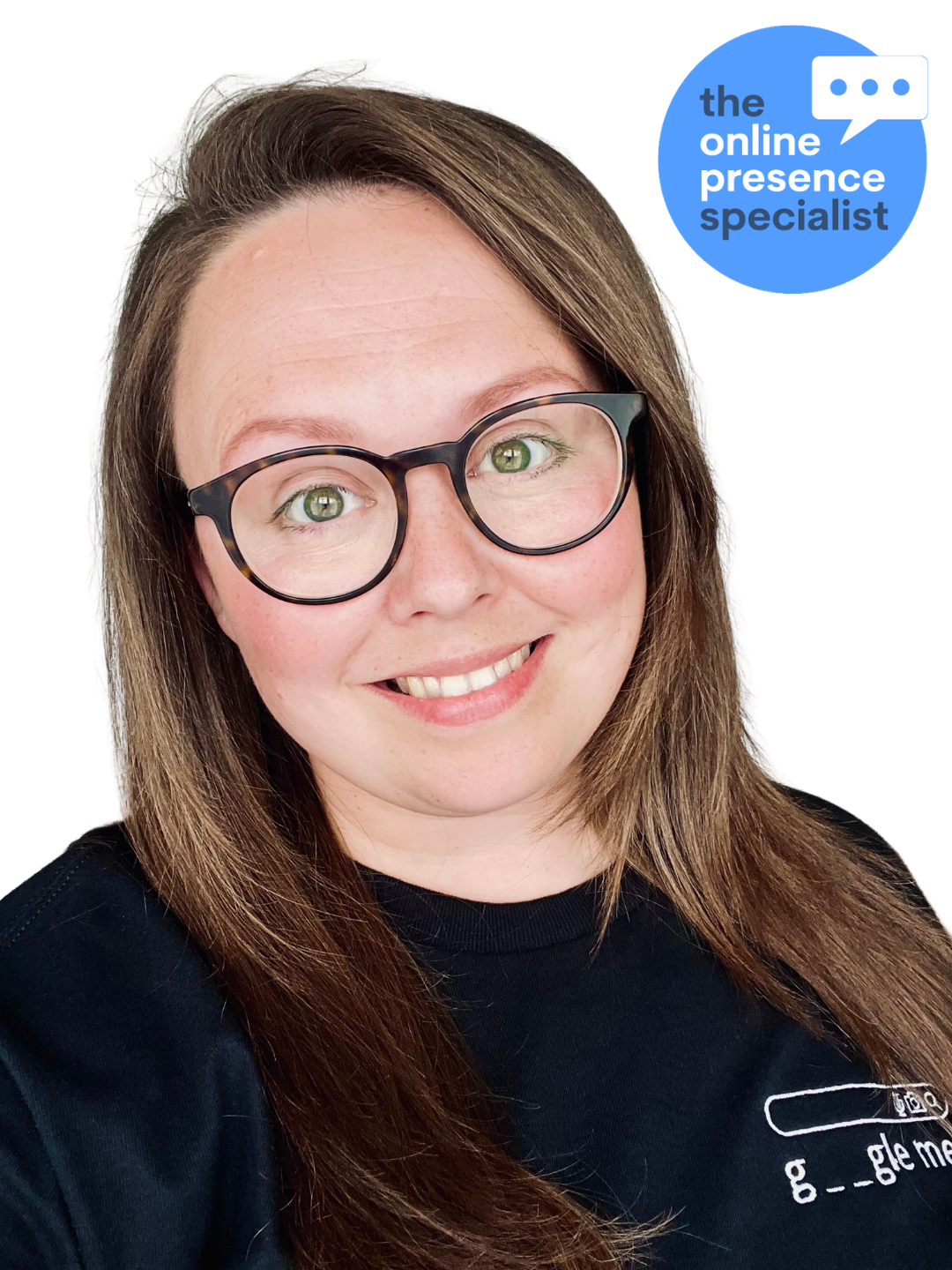
Catherine Jarvis Clothier is a digital marketer and online presence specialist living and working in Kent, UK. She has worked in unusual UK businesses for over 10 years across the South of England, particularly in automotive and therapy-based enterprises. Catherine specialises in social media, SEO and web design. She can be contacted here for online business consultations.
If you enjoyed this blog, buy me a coffee to say thank you.